Open offices encourage teamwork, but a constant lack of walls kills focus. One moment, a colleague chats nearby; the next, a video call gets interrupted by background noise. Striking the right balance turns a workspace into a place where people actually enjoy getting things done.
Getting this blend correct during an interior office fit out means happier staff and better output. Here is how to build a layout that offers both connection and personal space.
Zoning with furniture
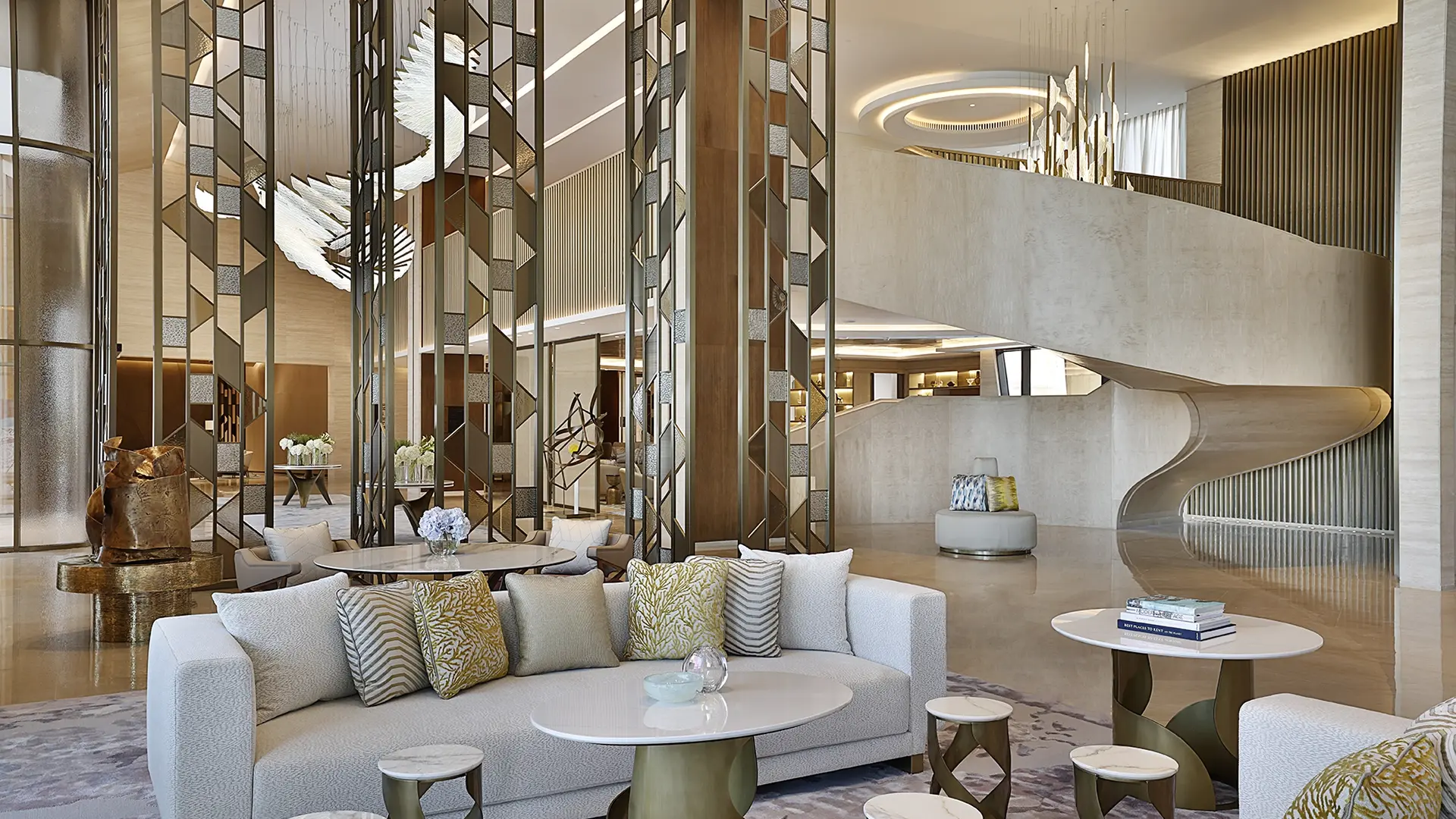
Large rooms feel empty without defined boundaries. Use tall bookshelves or storage units to break up floor space. These items create physical barriers without blocking natural light. Team members gain a sense of enclosure while staying connected to the wider group. Versatile furniture pieces act as soft walls, guiding foot traffic and marking distinct work zones.
Acoustic control matters
Noise creates stress. Hard surfaces bounce sound, turning quiet chatter into loud distractions. Soft elements like fabric panels, thick rugs, and acoustic ceiling tiles soak up excess sound waves. These additions turn a loud, open hall into a calm, focused environment. Quiet zones remain essential for tasks requiring deep thought, regardless of the overall room layout.
Glass for transparency
Solid walls block vision, creating isolated silos. Glass partitions offer a clever solution. They keep the visual flow of an open space alive while providing excellent sound insulation. Teams stay visible, fostering a sense of togetherness, but gain the quiet needed for private calls or small meetings. Glass keeps sunlight moving through the building, keeping moods high.
Portable privacy pods
Modular booths offer instant solitude. These self-contained units sit anywhere on the floor. When someone needs to handle a sensitive call or focus intensely, these pods provide a complete sanctuary. They save space because they eliminate the need for permanent, single-use rooms. Employees enjoy the flexibility to choose where they work based on the task at hand.
Smart lighting design
Harsh overhead lights contribute to a feeling of exposure. Task lighting gives employees control over their personal space. Desk lamps or directional spots allow people to focus on their screen without flooding the whole floor with light. Dimmer corners feel more private and cozy. Lighting shapes behavior, signaling where social interaction happens versus where solo work thrives.